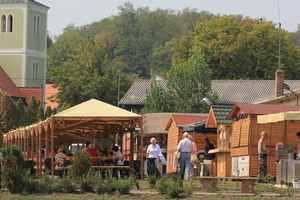
 An event area was established between the parade square and the presentation building reaching the border of the Roman ruins.
About the Event Area
An event area was established between the parade square and the presentation building reaching the border of the Roman ruins. Two paths crosses the lawn: the northern one leads to the museum building (paved with bricks); the southern provides direct pedestrian connection between Attila Street and the Egregy district (paved with gravel).
We are planning to establish perennial flower bed alongside the path leading to the museum in order to emphasize the entrance and decorate. Along the southern side of the site a characteristic lane of bushes will frame the area with a parallel line of trees. The line of trees will provide shadow for the occasional appearing vendors and balances the effect of the one-level lawn surface of the inner park.
Share
Recommended

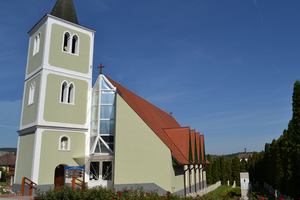
DISCOVER THE HISTORICAL SIGHTS OF EGREGY INDIVIDUALLY OR BE A PART OF A TOUR WITH OUR QUALIFIED TOUR GUIDES
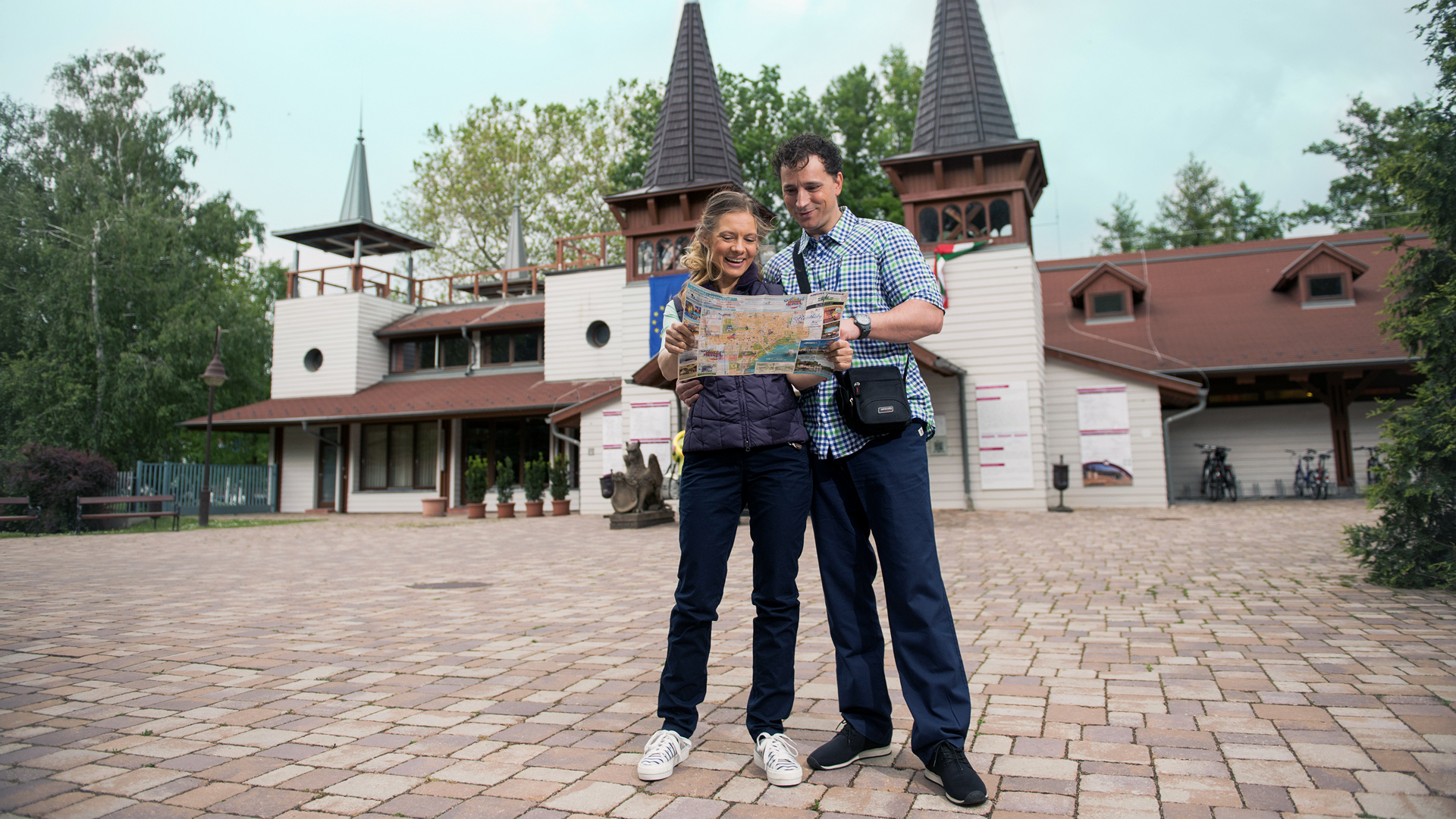
.jpg)
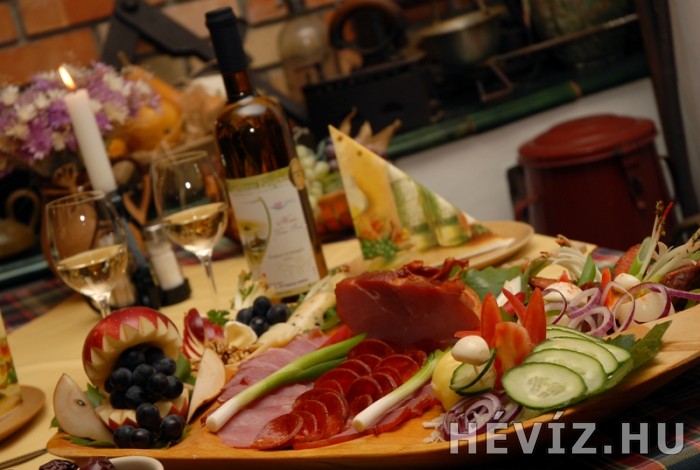
LEARN MORE ABOUT THE HISTORY OF EGREGY AND THE TRADITIONS OF WINE MAKING IN THE ANCIENT TIMES AND NOWDAYS
.jpg)
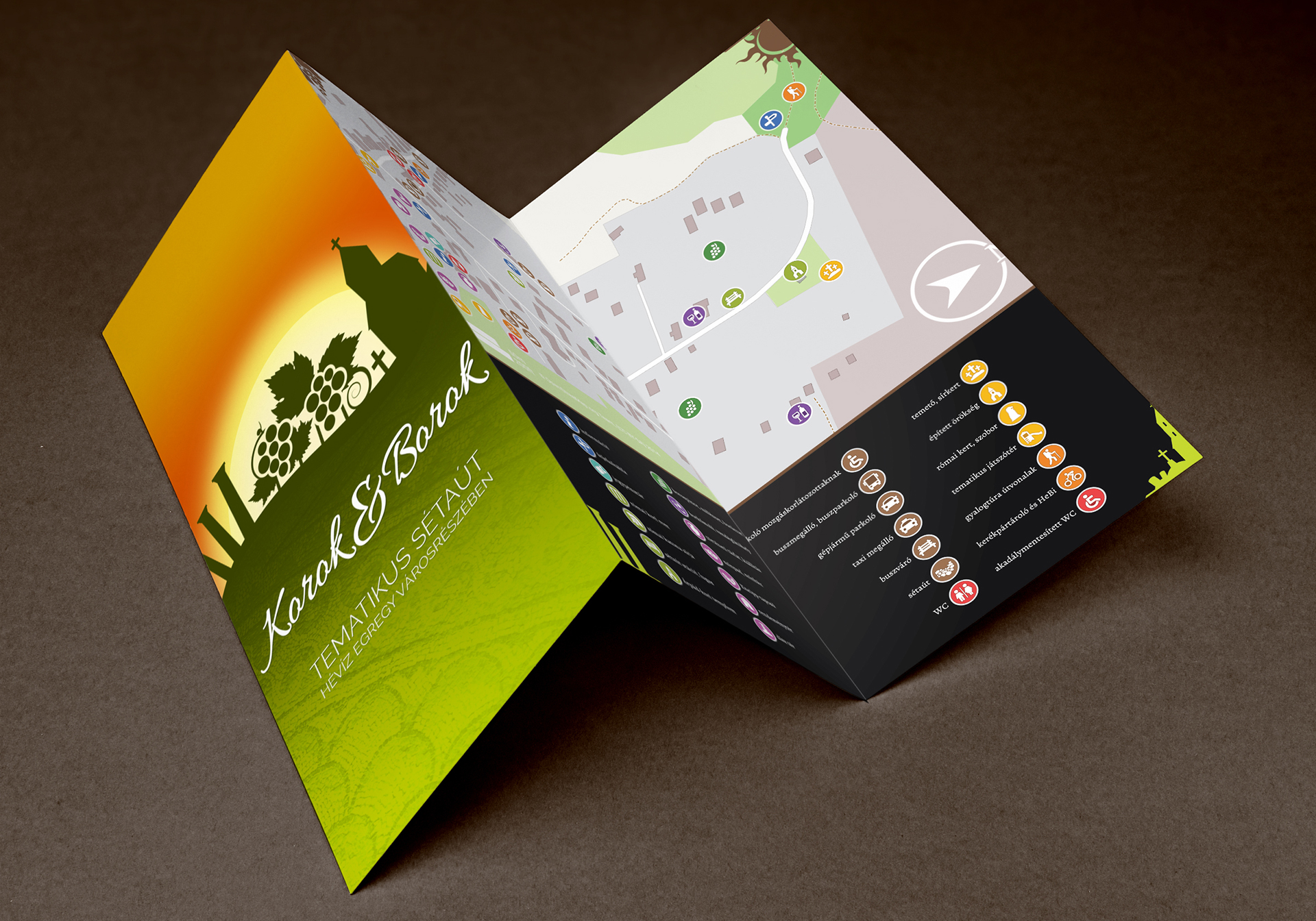
 Roman ruins
 Grave of the roman soldier
 Walking path stations
 Church from the Árpád era
 Winery, wine cellar
 Wine bar, tavern
 Presentation building, exhibition
 Event are
 Stage, theater
 Parade square
 Kneipp Stepstones
 Ticket office & gift shop
 Information
 Signs
Signs Cab parking
 Car parking spaces
 Bus station, minibus parking
 Parking spaces for the disabled
 Rest area
 Walking path
 Bicycle storage & HeBi
 Walking routes
 Thematic playground
 Roman garden & statue
 Architectural heritage
 Cemetery, graveyard
 Rest rooms
 Rest room for the disabled

.jpg)